

Last Updated: April 2026 | Includes Q2 & Q3 Market Data
The Los Angeles rental market has long been a strong investment landscape, with most submarkets projected to experience 2-3% rent growth.

In 2026, LA landlords are dealing with an increasingly complex regulatory environment. It will directly influence operational decisions and long-term property performance.
Success in 2026 hinges on compliance efficiency. Landlords are shifting their focus from traditional market forces to minimizing legal exposure, strengthening operational systems, and streamlining compliance management.
As Los Angeles updates its landlord-tenant regulations, the rental market will inevitably adjust. This guide outlines how to adopt a hyper-local, compliance-first strategy to protect your portfolio, reduce operational risk, and position your LA rental properties for stronger performance in 2026 and beyond.
Update: A Strategic Guide for LA Landlords the Next 6 Months
As we move into the second and third quarters of 2026, the Los Angeles rental market is undergoing a significant transition. After years of aggressive growth and pandemic-related volatility, the market has entered a “softer” cycle defined by rising inventory, flattening rents, and a tightening regulatory environment.
For landlords and investors, the next six months are less about “chasing the peak” and more about tenant retention and risk mitigation.
1. Market Snapshot: The “Cooling” Trend
As of April 2026, Los Angeles is seeing a divergence from the rest of Southern California. While Orange County remains tight, the LA metro area is showing clear signs of a tenant-driven market.
- Rent Growth has Flattened: The median asking rent in Los Angeles has pulled back by approximately 1.9% year-over-year, settling at $2,730.
- Vacancy is Inching Up: Metro-wide vacancy has risen to 5.6%, up from 4.8% a year ago. In submarkets like Downtown LA and parts of the San Fernando Valley, where new construction is concentrated, vacancy is even higher.
- Concessions are Back: “One month free” and reduced security deposits are becoming standard tools for landlords to fill vacancies quickly and avoid long “days-on-market” stretches.
2. The 2026 Regulatory Landscape: Mandatory Rent Caps
The most critical update for the next six months involves the new rent increase limits effective through June 30, 2026. Landlords must adhere to these precise percentages to avoid DHCA or State penalties.
| Jurisdiction / Rule | Allowable Increase (Until June 30, 2026) |
| City of LA (RSO Units) | 3% (utility surcharges no longer allowed as of Feb 2026) |
| Unincorporated LA County | 1.93% (Standard) / 2.93% (Small Property Landlords) |
| California AB 1482 | 8.0% (for properties built before 2011) |
Note on Prop 33: Following the defeat of Proposition 33 in late 2024, the Costa-Hawkins Rental Housing Act remains intact. This protects owners of single-family homes and newer buildings (post-1995) from extreme local rent control expansions, though AB 1482 still applies.
3. New Tenant Protections: The “Two-Month” Rule
Effective April 16, 2026, a major change to the Fair Market Rent (FMR) threshold has taken effect in unincorporated LA County.
- The Change: Landlords may now only terminate a tenancy for nonpayment of rent if the tenant’s past-due amount exceeds two months of the Fair Market Rent.
- FMR Example (2026): For a 1-bedroom, the FMR is $2,085. This means you cannot initiate an eviction until the debt exceeds $4,170.
4. Key Forecast for Q2 & Q3 2026
- Slowing Deliveries: New construction is finally slowing down, with deliveries expected to drop 23% this year. This will eventually stabilize vacancy rates, but not within the next six months.
- Tenant Selectivity: Renters are more price-sensitive than they have been in five years. Units that are outdated or lack competitive amenities are sitting on the market for 45+ days.
- Prioritize Retention: With a 3% cap on RSO units and a softening market, it is often more profitable to keep a current tenant at a slight discount than to pay for a turnover and a one-month leasing fee in a high-vacancy environment.
5. Action Steps for Los Angeles Landlords
- Check Your Jurisdiction: Don’t confuse LA City rules with LA County or West Hollywood. A 1.1% mistake in your rent increase notice can invalidate the entire increase.
- Audit Your Listings: If your unit hasn’t rented in 21 days, the market is telling you the price is too high or the “curb appeal” isn’t meeting 2026 standards.
NOTE: This forecast is based on third-party market data as of April 2026 and is intended for educational purposes only. Rent control laws and tenant protections are subject to frequent change.
Market Fundamentals: Where the Money is Moving
Demand & Demographics
Los Angeles enters 2026 with a stable and resilient rental market, supported by strong employment fundamentals. Persistent barriers to homeownership, driven by high home prices and slow improvements in affordability, continue to keep a significant share of residents in the rental pool longer.
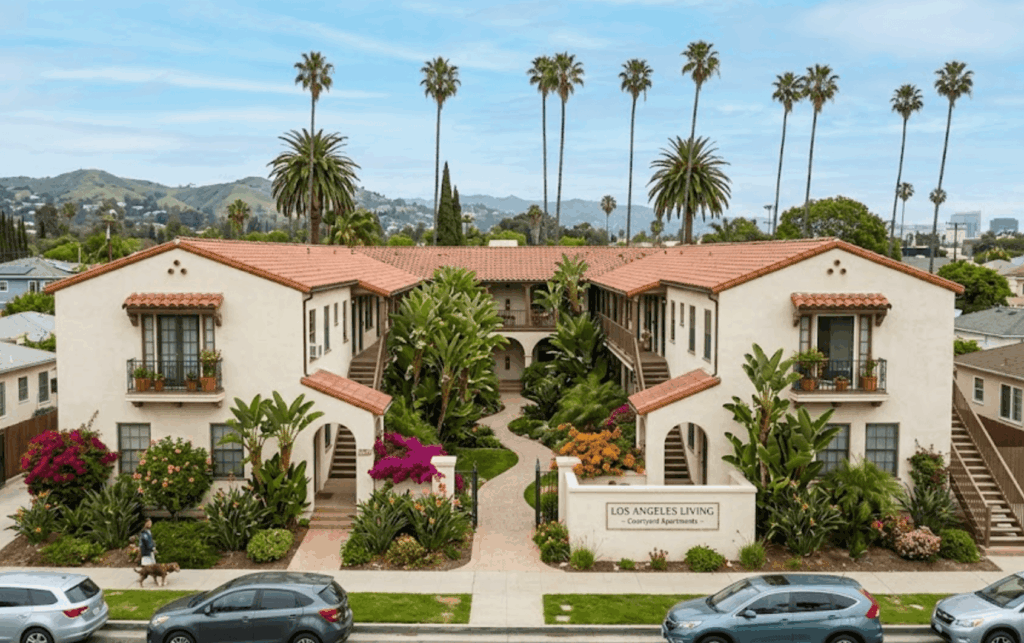
Within the city, renter migration patterns are evolving. Young professionals and early-career tenants are gravitating toward dense, transit-connected neighborhoods such as Hollywood, Koreatown, and Downtown LA.
Meanwhile, families and long-term renters are increasingly choosing suburban areas throughout the Valley and South Bay, prioritizing additional space, schools, and neighborhood stability.
Rent Trends by Submarket
The LA 2026 rent outlook varies significantly by submarket, driven primarily by regulatory conditions and shifting tenant behavior.
High-end coastal neighborhoods are positioned for moderate rent growth supported by strong household incomes and demand for premium amenities.
Neighborhoods with a high concentration of Rent Stabilization Ordinance (RSO) properties will remain the city’s most reliable performers. These neighborhoods benefit from low vacancy rates, steady renewal activity, and predictable cash flow.
Non-RSO areas offer the strongest potential upside. Owners can reset rents to market at turnover, creating greater revenue opportunity. Still, these submarkets are more sensitive to economic fluctuations and incoming supply.
| Submarket Type | Examples | 2026 Rent Outlook | Strengths | Risks |
| High-End Coastal/Luxury Urban | Santa Monica, Brentwood, Playa Vista, West Hollywood | Moderate Growth (steady demand, higher turnover) | Strong incomes, lifestyle-driven demand | Local regulations, tenant expectations, higher operating costs |
| RSO-Dominant Neighborhoods | Hollywood, Koreatown, Miracle Mile, Mid-City | Stable but Capped Growth (predictable renewals) | Low vacancy, long-term tenants, dependable cash flow | Annual rent caps, strict compliance requirements, limited ability to reposition units |
| Non-RSO/New Construction | DTLA, Arts District, Sherman Oaks, North Hollywood, Newer Valley developments | Highest Upside (flexible rent-setting at turnover) | Full market-rate pricing, strong renter mobility, value-add potential | Sensitive to supply waves, economic shifts, and lease-up competition |
| Suburban/Family-Oriented Pockets | South Bay, San Fernando Valley, Culver City fringes | Steady, Demand-Driven Growth (low vacancy) | Family renters, longer tenure, limited new supply | Slower rent acceleration, higher maintenance tied to larger units |
Acquisition Trends
Investor behavior in LA is increasingly guided by regulatory conditions rather than pure yield. Buyers continue to prioritize new construction and post-2005 assets to avoid RSO restrictions and maintain full rent-setting flexibility.
Value-add investors are focusing on properties built in the 1990s and early 2000s, where targeted upgrades and natural turnover can significantly increase NOI without triggering rent caps.
Cap rates remain compressed throughout the market, shifting investor attention away from appreciation alone and toward operational efficiency, tenant mix quality, and compliance risk. Despite higher interest rates and limited inventory, Los Angeles’ resilient renter base keeps well-located multifamily assets highly competitive.
Disclaimer: Laws and regulations (like the RSO) are complex and constantly changing. You should always consult with a licensed legal professional regarding your specific situation before taking any action. Your reliance upon any information on this blog is strictly at your own risk.
Managing Regulation: The Core Strategy for Risk Mitigation
The Rent Stabilization Ordinance (RSO) & AB 1482 Review
A clear understanding of whether your property falls under the City of Los Angeles’ Rent Stabilization Ordinance or California’s AB 1482 is the foundation of effective risk management in 2026.
RSO Verification
The first step is to confirm whether your property is subject to the RSO. Generally, this includes buildings constructed on or before October 1, 1978, located within the LA city limits.
RSO properties are subject to strict annual rent caps, mandated relocation payments for certain no-fault evictions, and detailed procedural requirements. Owners should verify the building’s age, confirm jurisdiction, and review any prior exemption filings.
Misclassification can result in significant compliance issues and financial penalties.
AB 1482 Compliance
For properties not subject to RSO, California’s AB 1482 applies statewide rent caps and “just cause” eviction standards. This typically includes post-1995 buildings and most multi-unit properties without a qualifying exemption.
Annual rent increases are tied to inflation, requiring precise calculations to remain compliant. Proper notice, documentation, and timing are critical to the legal implementation of rent adjustments and to safeguarding revenue.
Eviction & Just Cause Risk
Eviction risk in Los Angeles is shaped by stringent “just cause” requirements under both the RSO and AB 1482.
Owners must clearly distinguish between At-Fault evictions, such as nonpayment of rent, nuisance issues, or lease violations, and No-Fault evictions, which include owner move-ins, Ellis Act withdrawals, or substantial remodels.
No-Fault removals carry the greatest financial exposure. Relocation assistance requirements can reach tens of thousands of dollars per household. This makes compliance not only a legal obligation but a material component of operational planning.
To reduce risk, owners should:
- Maintain thorough documentation of tenant communications and lease compliance
- Follow statutory notice periods
- Budget for potential relocation expenses when evaluating turnover timelines or repositioning strategies

Habitability & Documentation
Habitability compliance has become one of the most significant legal risk factors for LA landlords. Increasingly, tenants are using repair disputes to challenge rent increases or delay eviction proceedings, making meticulous documentation essential.
Under California Civil Code §1942, owners must address essential repairs promptly and maintain a clear, defensible record of their actions.
A strong compliance file should include:
- Time-stamped maintenance requests
- Written responses issued within 24-48 hours
- Photographic documentation before and after repairs
- Contractor invoices and service confirmations
Consistent record-keeping not only mitigates potential habitability claims but also reinforces your position in any at-fault eviction or rent-adjustment process.
Related Blog Post: New LA Landlord Documentation: AB 21, AB 2801, and the Photo Mandate
Growth Strategies: Maximizing Profitability in a Complex Environment
With rent caps, rising operating costs, and expanding tenant protections, owners can no longer rely on market appreciation alone. Profitability now depends on operational precision, legal compliance, and a strategic approach to improving NOI.
Strategic Pricing (Beyond the Cap)
Annual rent caps limit increases on existing tenancies, making turnover the most effective pricing lever where vacancy decontrol is allowed. Resetting rents to actual market value during turnover allows owners to capture current demand, especially in non-RSO properties with pricing flexibility.
When occupancy softens, targeted incentives such as reduced deposits or limited-time move-in credits help maintain base rent integrity without compromising long-term revenue.
Aligning renewal offers with CPI announcements and seasonal demand patterns further strengthens pricing performance.
Strategic Maintenance & Upgrades
Thoughtful upgrades are essential in a regulated landscape. High-ROI improvements, such as in-unit laundry, durable flooring, smart locks, and energy-efficient appliances, enhance the tenant experience and support maximum allowable increases.
In non-RSO buildings, these improvements can significantly elevate market rent at turnover. Standardizing renovation packages, maintaining reliable vendor relationships, and planning turnarounds in advance minimizes downtime and helps sustain strong annualized rents.
Tenant Selection as Risk Management
Effective tenant selection remains one of the strongest safeguards against non-payment, disputes, and legal claims. A compliant, structured tenant screening process reduces future conflict while maintaining strict adherence to Fair Housing Laws.
A well-screened tenant base, supported by clear communication and documented policies, creates long-term stability and protects NOI in an increasingly complex regulatory environment.
Related Blog Post: The Benefits of Professional Tenant Placement for Los Angeles Landlords
Navigate New Regulations While Maximizing Profit in LA’s Rental Market in 2026
The 2026 Los Angeles rental market rewards owners who operate with discipline and precision. Success now depends on aligning compliance, pricing strategy, and tenant management in an environment that is more regulated than ever before. Growth remains well within reach, but only for owners who make informed decisions long before challenges surface.
If your goal is to protect your investment, reduce legal exposure, and ensure your property operates at peak efficiency, this is the moment to partner with the area’s leading property management company, Lotus Property Services.
We deliver comprehensive support, keeping owners fully compliant while managing the operational details that produce consistent, reliable returns.
Connect with our team today to schedule a consultation and develop a custom 2026 management and compliance strategy for your property.
Frequently Asked Questions: Los Angeles Rental Market (Q2 & Q3 2026)
Q: What is the maximum rent increase for “Rent-Stabilized” (RSO) units in the City of LA?
A: For the period of July 1, 2025, through June 30, 2026, the allowable annual rent increase is 3%.
- Important Update: As of February 2, 2026, landlords can no longer add the additional 1% surcharge for gas or electric services, even if they pay the utilities. The 10% increase for additional dependents has also been eliminated.
Q: I own a property in unincorporated LA County. How much can I raise the rent?
A: The standard allowable increase for most units under the County’s Rent Stabilization and Tenant Protections Ordinance (RSTPO) is 1.93% through June 30, 2026.
- Small Landlord Exception: If you have self-certified as a “small property landlord,” you may increase rent by up to 2.93%.
- Luxury Units: Higher-end luxury units are capped at 3.93%.
Q: What is the “Two-Month” eviction rule, and who does it apply to?
A: Effective April 16, 2026, landlords in unincorporated LA County cannot proceed with a non-payment eviction unless the tenant’s unpaid balance exceeds two months of the Fair Market Rent (FMR).
- Example: If the FMR for a 1-bedroom is $2,085, you must wait until the debt exceeds $4,170 before pursuing eviction. (Note: In the City of LA, the threshold remains at one month of the FMR).
Q: Does AB 1482 (Statewide Rent Control) apply if my building is older than 15 years?
A: Yes. If your property is not covered by a local RSO (like LA City or West Hollywood) and was built before 2011, it is likely subject to the Tenant Protection Act (AB 1482). For 2026, the maximum increase in the LA area is restricted to 8% (5% base + 3% CPI).
Q: Are refrigerators and stoves now mandatory in all California rentals?
A: Yes, under AB 628, which took effect in early 2026. Landlords are now legally obligated to provide working refrigerators and stoves in most residential units. Units without these appliances are now considered “uninhabitable” under state law.
Q: What happens if I issue a rent increase higher than 8%?
A: In the City of LA, any rent increase exceeding 8% triggers Economic Displacement protections. If a tenant cannot afford the increase, they have the option to move out and receive mandatory relocation assistance from the landlord.
2026 Quick-Reference Guide
| Regulation | Max Increase (thru June 2026) | Key 2026 Change |
| LA City RSO | 3% | Utility surcharges eliminated Feb 2026. |
| LA County RSTPO | 1.93% – 2.93% | Eviction threshold raised to 2 months of FMR. |
| Statewide (AB 1482) | 8% | Applies to most non-RSO units built before 2011. |
Compliance-First Property Management in Los Angeles
Need a compliance audit for your portfolio? Contact Lotus Property Services today to ensure your 2026 notices are 100% accurate and legal.
If you found this article helpful, read “Stop the Stress: The 4 Overlooked LA Landlord Laws That Trigger Lawsuits and Fines” next.