

The old Los Angeles value-add playbook of buying an older building, overhauling the units, and pushing rents no longer works the way it used to.
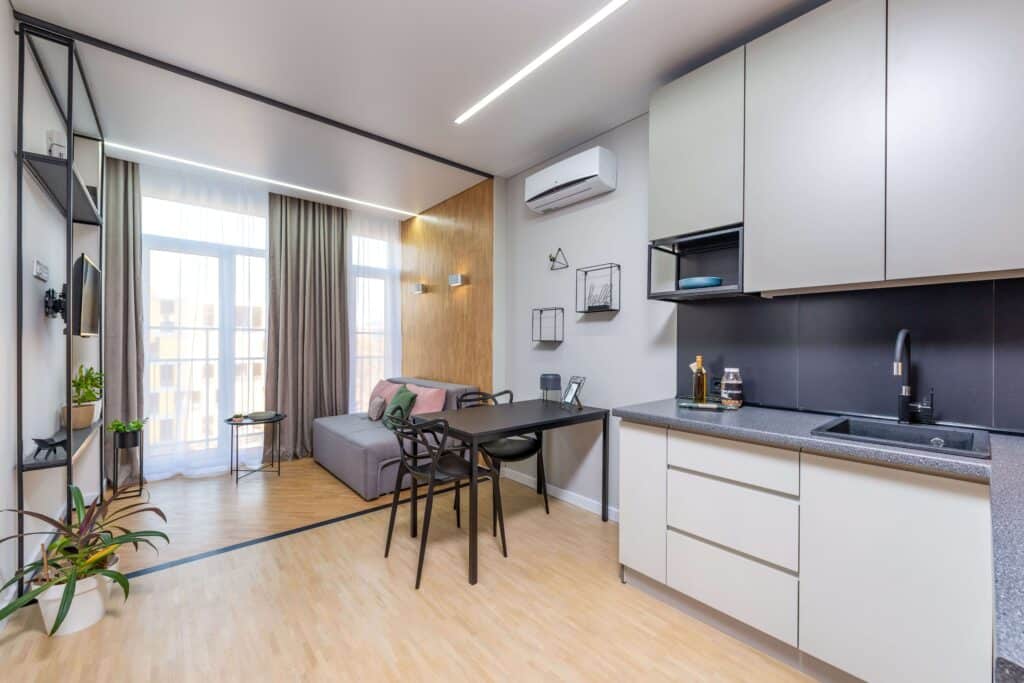
Rents across LA are flat (up just 0.6% year over year with 5.4% vacancy), construction costs remain elevated, and average multifamily cap rates sit around 5.41%.
Meanwhile, City of Los Angeles RSO rent increases are capped at 3% through June 2027 (with no separate utility add-on allowed), while AB 1482 properties are capped at 8.7%.
In a flat-rent, higher-cap-rate market, every renovation dollar has to earn its keep through immediate rent or lower operating costs. Today, targeted upgrades timed to natural vacancies beat expensive full remodels.
Note: Market data is sourced from Q3 2026 reports by Kidder Mathews, Colliers, and Matthews, alongside LAHD and Verisk cost benchmarks. Always confirm current rent rules and permit requirements with LAHD and a qualified attorney.
The Highest-Return LA Apartment Upgrades for Investors
Based on Los Angeles market data and rent control rules current as of November 2026, here is how LA apartment upgrades for investors rank by upfront cost, turnaround speed, and reliability in a flat-rent market:
1. Light interior refresh (Best overall return)
Because market-wide asking rents are up just 0.6% year over year, low-cost cosmetic updates like fresh paint, durable hard-surface flooring to replace worn carpet, updated lighting, and modern hardware deliver the highest yield on cost. They turn units quickly with minimal capital, as long as you choose clean, durable materials rather than cheap-looking “flip” finishes.
2. In-unit washer and dryer
Renters consistently pay a premium for private laundry, with local operators reporting $100 to $200 per month in added rent across Class B and C buildings. While the return is strong, older LA properties often lack the necessary plumbing, venting, or electrical capacity, so you must verify feasibility and permits before budgeting.
3. Kitchen updates
Because prospective tenants largely judge an apartment by its kitchen, swapping countertops, refacing cabinets, adding a clean backsplash, and updating appliances drives strong leasing demand without the cost of a gut remodel. Since tariffs and supply bottlenecks continue to affect cabinet and appliance pricing, always lock in current vendor quotes early.
4. Bathroom refreshes
Updating the vanity, fixtures, lighting, and tub glazing pairs well with kitchen and flooring upgrades to justify a higher asking rent at turnover. Keeping existing plumbing lines in their current footprint avoids major permit delays and keeps costs predictable.
5. Utility efficiency upgrades
Installing LED lighting, low-flow plumbing fixtures, smart thermostats, and high-efficiency water heaters does not raise rent directly, but it protects your bottom line. Under Los Angeles’ updated RSO rules (effective February 2026), landlords can no longer add separate utility surcharges to annual rent increases, making lower owner-paid utility bills directly valuable.
6. Curb appeal and common areas
Fresh exterior paint, improved lighting, secure entry systems, and package lockers boost retention and leasing velocity across the entire property rather than a single unit. While harder to tie to a specific dollar rent premium, these upgrades pay off through fewer vacant days and stronger lease renewals.
7. Full gut renovations and ADUs (Use caution)
Spending $35,000 or more for a full unit gut remodel may only generate $200 to $400 per month in neighborhoods like Koreatown or Echo Park, stretching payback to roughly a decade. With average LA multifamily cap rates sitting around 5.41% and construction costs still elevated, heavy capital projects require conservative underwriting before you commit.
Note: Based on Los Angeles market data and rent rules as of November 2026, this article is for informational purposes only and does not constitute legal, financial, or construction advice. ROI figures are estimates, not guarantees. Always confirm current ordinances with LAHD and consult a qualified lawyer, real estate professional, and/or licensed contractor before renovating.
Important Strategies for Smart Upgrades and Renovations
Even with a clean vacancy, Los Angeles buildings come with a few critical guardrails that can quickly derail your budget or timeline if you miss them. Before you sign a contractor bid or order materials, make sure your plan accounts for these key caveats:
Renovate Units at Turnover
For RSO buildings, your biggest lever is vacancy decontrol under California’s Costa-Hawkins Act, which lets you reset rent to market after a tenant lawfully moves out. Renovating occupied RSO units triggers strict Tenant Habitability Program rules, required notices, and potential temporary relocation costs. So always schedule upgrades around natural vacancies and consult an attorney before starting work.
Run the Math First
Evaluate every project using two simple metrics: Yield on Cost (new annual income ÷ project cost) and Value Created (new annual income ÷ cap rate).
At a 5.4% cap rate, a $6,000 light refresh that adds 100/month(1,200/year) delivers a 20% yield on cost and creates roughly $22,200 in property value. By contrast, a $35,000 full remodel adding 300/month(3,600/year) delivers a 10% yield on cost and ties up nearly six times the cash. Spreading capital across multiple light-to-moderate turns consistently outperforms betting big on a few heavy remodels.
5 Quick Checks Before Starting
- Confirm rent control status: Check whether your building falls under LA’s RSO (generally built before October 1, 1978) or state AB 1482 caps.
- Verify local comps: Price your target rent against active listings in your immediate neighborhood, not citywide averages.
- Time to lawful vacancies: Build your renovation schedule around upcoming move-outs.
- Get current bids: Price cabinets, appliances, and labor today to account for material lead times.
- Confirm permits: Verify whether electrical, plumbing, or habitability rules apply before signing contracts.
Get a property-specific renovation and ROI breakdown tailored to your LA building’s rent rules, submarket comps, and budget—before you spend a dollar.
Request Your Custom Renovation Plan →Tailored to your property & turnover timeline
Recap and Answers to Common Questions
What renovations create the best returns for LA apartments right now?
Light interior refreshes (paint, flooring, lighting, hardware) deliver the highest yield on cost, followed by in-unit laundry, restrained kitchen and bathroom updates, and utility-saving efficiency upgrades.
When is the best time to renovate an LA apartment?
At natural tenant turnover. Under Costa-Hawkins, lawful vacancies allow you to reset RSO units to market rent while avoiding Tenant Habitability Program compliance and relocation costs.
How much can LA landlords raise rent in 2026–2027?
City of LA RSO units are capped at 3% from July 1, 2026, through June 30, 2027, with no utility add-ons permitted. Properties covered by California’s AB 1482 are capped at 8.7% from August 1, 2026, through July 31, 2027.