

AB 1482 comes up in almost every conversation about LA rental compliance. Ask a landlord what it actually means and requires, however, and most will go quiet.
They know it has to do with rent increase restrictions, but they aren’t sure of the details.
That lack of knowledge can result in lost profit.
An improperly calculated rent increase or a move-out notice that misses the right language can stall things for months. Tenant disputes and legal fees then tend to show up, delaying processes even further.
This post breaks down what AB 1482 actually means for LA landlords.
We’ll discuss who it applies to, how the rent caps work, what counts as a legal reason to end a tenancy, and how it stacks with LA’s own rules. By the end, you’ll know exactly where your property stands and how to adjust if needed.
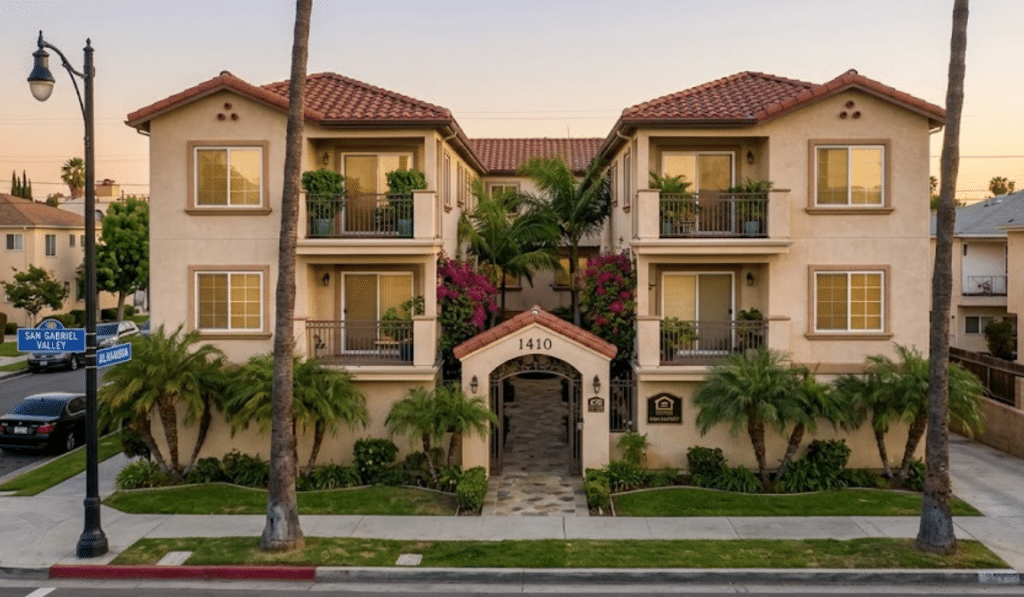
What Is AB 1482 for Los Angeles Rentals?
AB 1482, officially the California Tenant Protection Act, took effect in 2020 and runs through January 1, 2030, unless the state renews or amends it. It applies statewide, covering most older multifamily rentals and individually owned single-family rentals that don’t meet a specific exemption.
Before this law was passed, landlords in most California cities could potentially raise rent by any amount. They could also decline to renew a lease without giving tenants a reason. AB 1482 changed both of those things.
First, the law caps annual rent increases at 5% plus the local Consumer Price Index, up to a hard ceiling of 10%, and limits landlords to no more than two increases in any 12-month period. Second, once a tenant has lived in a unit for 12 months, a legally valid reason is required before a landlord can end the tenancy.
Important Note: For LA landlords, AB 1482 is just the baseline. Los Angeles layers its own rules on top, the Rent Stabilization Ordinance and the Just Cause Ordinance, and those local rules can be stricter than the state requirement. We’ll cover the exemptions, the full rent cap formula, and how those local ordinances interact with state law in this post.
Who Does California’s AB 1482 Cover?
AB 1482 covers most rental housing in California, including the majority of Los Angeles apartments and older single-family rentals. The exemptions are narrower than most landlords assume, and missing one detail can void the exemption entirely.
What Properties Are Exempt from AB 1482?
A property may be exempt from AB 1482 if it falls into one of these categories:
- New Construction: Exempt for 15 years from the date the certificate of occupancy was issued. The exemption rolls forward every year, so a property built in 2011 loses its exemption in 2026.
- Single-Family Homes and Condos: Exempt only if the owner is an individual, not a corporation, REIT, or LLC with a corporate member, and only if the landlord gave the tenant specific written notice using the exact statutory language. Skip that notice and the exemption doesn’t apply, even if the ownership qualifies.
- Owner-Occupied Duplexes: Exempt if the owner lives in one unit for the entire tenancy.
- Deed-Restricted Affordable Housing: Exempt if the property is restricted by deed or regulatory agreement to low- or moderate-income tenants.
The single-family exemption is where most owners get tripped up. Plenty of individually owned homes qualify on paper, but the exemption never took effect because the required notice was missing from the lease.
The Rent Control Rules of California’s AB 1482
Simply put, under AB 1482, landlords can only increase rent by up to 5%, plus the change in the local Consumer Price Index, or 10% total, whichever number is lower. The CPI figure comes from federal data, published annually for each region.
The formula for raising rent in California has four moving parts:
- Base Allowance: 5%
- Plus: the percentage change in the regional CPI over the past 12 months
- Hard Ceiling: 10% total, even if 5% plus CPI would technically allow more
- Frequency limit: no more than two rent increases within any 12-month period
How AB 1482 Works with LA’s Local Rules
AB 1482 sets statewide regulations for landlords, but Los Angeles adds another layer to it. Two local ordinances that matter most include:
- Rent Stabilization Ordinance (RSO): This covers most buildings with a certificate of occupancy issued before October 1978, and it sets rent caps that usually run lower than the state’s 5% plus CPI formula.
- Just Cause Ordinance (JCO): This extends eviction protections to units that AB 1482 alone might not cover, including some properties that look exempt under state law.
When state and local rules overlap, the one that protects the tenant more wins.
An RSO-covered property in LA follows RSO’s rent caps instead of the state’s, even though AB 1482 still applies underneath for anything RSO doesn’t address.
That’s the trap for landlords. A property can look exempt under AB 1482 and still be covered once local ordinances come into play. Checking state law alone doesn’t tell you where you actually stand in Los Angeles. You need to look at state and local regulations together.
Related: How to Deal with Tightening Regulations as a Los Angeles Landlord
What This Means for Los Angeles Landlords
For most LA-area properties, that puts the annual maximum state-allowed increase somewhere between 8% and 10%, depending on where the CPI lands that year.
However…
Los Angeles, along with most other cities in Greater LA, enforces its own much stricter Rent Stabilization Ordinance, and city-enforced caps on rent increases are typically much lower, often in the 2% to 5% range depending on the property type.
So, while California might allow an 8%-10% rent increase in any given year, Los Angeles landlords are subject to local rental control rules and can typically only increase rent by less than half of what AB 1482 allows.
Summary of Los Angeles RSO & California’s AB 1482
1. City of Los Angeles Rent Stabilization Ordinance (RSO)
- Applicability: Generally applies to multifamily buildings constructed before October 1, 1978, located within the City of Los Angeles proper.
- Rent Caps: Annually set by the city’s housing department based on the Consumer Price Index (CPI), historically capping allowable increases tightly.
- Evictions: Extremely strict “just cause” eviction protections apply from day one of tenancy.
2. California Tenant Protection Act (AB 1482)
- Applicability: Applies statewide to multifamily buildings that are over 15 years old and are not already covered by a stricter local city ordinance like the LA RSO.
- Rent Caps: Capped at 5% plus the local CPI, up to a strict maximum of 10% per year.
- Evictions: “Just cause” protections kick in after a tenant has occupied the unit for 12 months.

Just Cause Evictions: Why You Can’t Just Ask a Tenant to Leave
Under AB 1482, landlords are required to have a legally valid reason before ending a tenancy of 12 months or longer. That reason falls into one of two categories: at-fault or no-fault.
At-Fault Evictions
At-fault reasons relate to something the tenant did to breach the lease agreement. The law lists over a dozen infractions, but the ones that come up most often include:
- Nonpayment of rent
- A material lease violation
- Criminal activity on the property
- Refusing to let the owner enter the unit for lawful purposes
- Subletting or assigning the lease without permission
No-Fault Evictions
No-fault reasons are different. This is when the tenant hasn’t done anything wrong, but the owner still needs the unit back for a legally recognized purpose. These purposes include:
- The owner or a qualifying family member is moving into the property
- The property needs substantial repairs, or a remodel that isn’t safe to complete with the tenant in place
- The owner is withdrawing the property from the rental market entirely, sometimes under the Ellis Act
No-fault evictions come with extra strings attached. Owners typically owe the tenant relocation assistance, and the notice has to name the exact legal reason using the language required by law. A letter that just says the unit needs to be returned doesn’t hold up.
The paperwork is where most owners run into trouble.
Our full breakdown of the two-month rule for no-fault evictions walks through exactly what a no-fault notice needs to include and what relocation assistance actually costs LA landlords.
Disclaimer: The information provided here is for general educational and informational purposes only and does not constitute legal advice. Housing laws in Los Angeles, including the Rent Stabilization Ordinance (RSO), Tenant Protection Act (AB 1482), and local eviction protections, are complex and frequently updated. Landlords should consult a licensed real estate attorney or qualified legal professional specializing in California and Los Angeles housing law before taking action regarding leases, rent increases, or evictions.
Keep Your LA Rental Compliant with Lotus Property Services
AB 1482 isn’t optional reading for LA landlords. It sets the rent cap, the just-cause requirements, and the exemptions that decide whether a rent increase or an eviction notice holds up.
A missing notice or a vague termination reason is often all it takes to turn a routine decision into a legal problem. Local ordinances add another layer of complexity, especially in Los Angeles, where you can’t rely on state law alone to know where you actually stand.
This is exactly why LA landlords choose to work with Lotus Property Services. Our team of real estate professionals understands state and local regulations so that your property remains compliant. That means a lower risk of income loss and better overall performance.
Not sure whether your property is exempt or whether your next increase fits within the cap? Contact Lotus Property Services for a compliance overview. Our team checks your property against the local rules, so you’re not left guessing.
If you found this article helpful, make sure to read The 2026 LA Landlord “Squeeze” and Tips on How to Beat It next.